


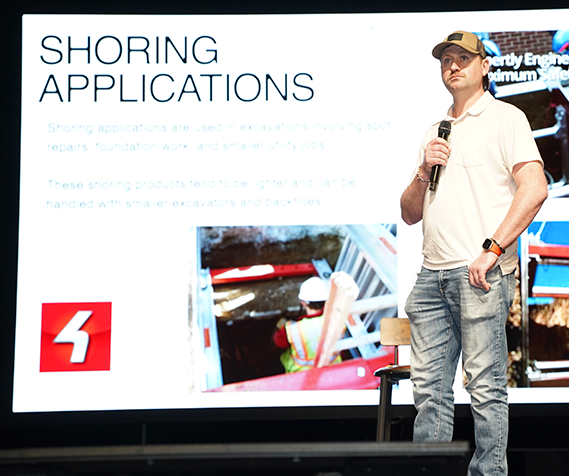
On April 15, 2026, contractors, safety professionals, and heavy civil construction crews gathered in Cincinnati for the “Slope It, Shore It, Shield It” Trenching and Excavation Compliance Summit.
The free in-person seminar, organized by the OSHA Cincinnati Area Office and local partners, focused on one of the most serious risks in construction: trench cave-ins.
KUNDEL was proud to be part of the conversation, with Dan Rodgers and Andrew Pirigyi presenting on our behalf.
For us, this was not just another industry event. It was the kind of room that matters: people who plan the work, train crews, inspect sites, and understand that trench safety is not a theory once the bucket hits the ground.
Date: April 15, 2026 | Location: Cincinnati, Ohio
KUNDEL presenters: Dan Rodgers and Andrew Pirigyi
The Three Words That Still Matter Most
The summit centered around the “3 S’s” of trench safety: sloping, shoring, and shielding.
Simple words, but not small ones.
Every trench has a decision attached to it. What does the soil allow? What does the depth require? What is happening around the excavation? Is there traffic nearby? Existing utilities? Water? Spoil piles? Equipment surcharge? Changing conditions?
That is why trench safety has to start before anyone climbs down. The right protective system depends on the actual jobsite, not a guess, shortcut, or habit from the last project.
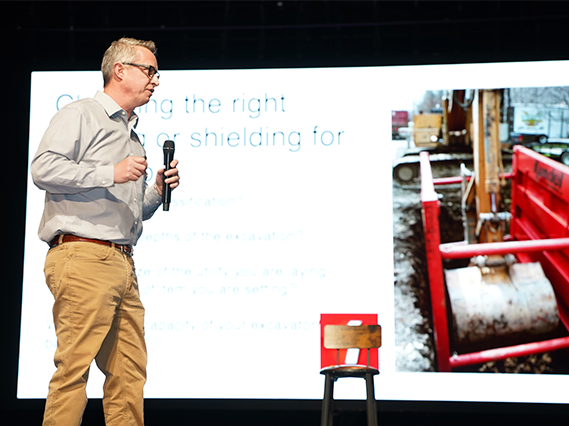
The summit brought together contractors, safety professionals, and heavy civil crews for practical trenching and excavation education.
What the Summit Covered
The Cincinnati summit focused on the kind of topics that make a real difference in the field:
- Competent person responsibilities
- Soil classification
- Protective system selection
- Sloping, shoring, and shielding applications
- Daily inspection protocols
- Practical trench and excavation compliance
Those topics may sound familiar to safety professionals, but familiarity is not the same as execution.
A trench can change after rain. Soil can behave differently across the same site. A protective system can be right for one excavation and wrong for the next. The competent person’s role matters because conditions are not static. The jobsite keeps talking. Someone has to know how to listen.
Why These Conversations Cannot Stay in the Classroom
Training matters. Compliance matters. But trench safety only works when the information survives contact with the jobsite.
That means crews need to understand more than the name of the system. They need to understand what the system is doing.
A trench box shields workers inside a protected space. Hydraulic shoring supports trench walls and helps prevent movement. Sloping reduces the risk of cave-in by cutting the trench wall back to a safer angle. Each approach solves a different problem.
None of them are magic. They have to be selected correctly, installed correctly, inspected correctly, and used within their intended limits.
That is where education becomes practical. Not “check the box” education. Real field education. The kind that helps a crew pause long enough to ask, “Is this the right setup for this trench?”
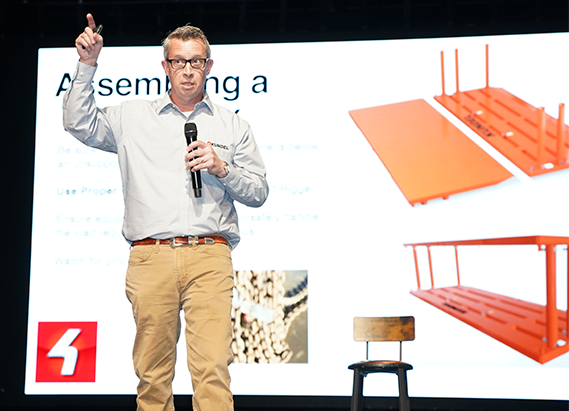
KUNDEL’s presentation connected trench safety concepts to real equipment decisions crews face in the field.
KUNDEL’s Role in the Conversation
At KUNDEL, we build trench safety equipment. But events like this are a reminder that equipment is only part of the safety story.
Crews need good judgment. Supervisors need clear processes. Contractors need equipment that matches the work they actually perform. Safety teams need documentation and training that hold up under pressure.
Dan Rodgers and Andrew Pirigyi spoke from that perspective: manufacturer knowledge, field reality, and a respect for the decisions crews have to make every day.
Because trench safety is not one product category. It is a system of decisions.
The best answer depends on the trench.Sometimes that means hydraulic shoring jacks for narrow trenches, utility repairs, or tight work around existing infrastructure. Sometimes it means an aluminum trench box for municipal repairs, compact equipment, and jobs where portability matters. Sometimes it means a heavy-duty steel trench shield for deeper, tougher excavation where durability and depth rating become the deciding factors.
The Real Goal: No One Gets Used to the Risk
One of the hardest things about trench safety is how normal the danger can start to feel.
A crew digs every day. The work becomes familiar. The schedule gets tight. The repair needs finished. The pressure builds quietly.
That is exactly why summits like this matter.
They pull the industry back to the basics in the best possible way. Not because crews do not care. They do. But because repetition can dull the edge of risk, and trench work does not forgive assumptions.
A cave-in can happen fast. The planning has to happen faster.
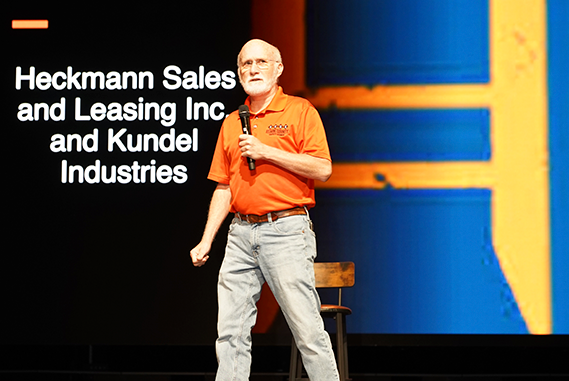
KUNDEL and industry partners helped reinforce the shared responsibility behind trenching and excavation safety.
A Better Safety Culture Starts Before the Trench Opens
The strongest trench safety programs are not built in a panic.
They are built before the job starts, through better planning, better training, better equipment selection, and daily inspections that are taken seriously.
That is the work the Cincinnati summit supported. And it is work KUNDEL is proud to stand behind.
We believe the industry gets stronger when manufacturers, OSHA partners, contractors, safety professionals, and crews stay in the same conversation. Not just when something goes wrong. Before it does.
Because “Slope It, Shore It, Shield It” is more than an event title. It is a reminder that every excavation deserves a plan.
Build the Plan Before the Dig
If your crews are evaluating trench safety equipment for utility work, municipal repairs, deep excavation, or tight jobsite conditions, KUNDEL can help match the right system to the work.
Explore KUNDEL trench safety solutions: